






NW10 flat rubbish collection Willesden and Neasden
Posted on 17/07/2026
NW10 Flat Rubbish Collection in Willesden and Neasden: A Practical Local Guide
If you live in a flat in NW10, you already know the problem. Bags pile up quickly, bulky items seem to appear out of nowhere, and getting rubbish out of a building with stairs, narrow halls, or limited parking can be a bit of a faff. That is exactly where NW10 flat rubbish collection Willesden and Neasden becomes useful. It is not just about taking waste away; it is about making flat clearances manageable, tidy, and done without turning your corridor into an obstacle course.
In Willesden and Neasden, flats range from older conversions to newer apartment blocks, so the practical challenges are rarely the same twice. You might need help with a post-tenancy clear-out, a sofa that will not squeeze through the door, or regular flat rubbish removal after a renovation. This guide explains how the service works, who it suits, what to expect, and how to avoid the common mistakes that make rubbish collection more stressful than it needs to be.
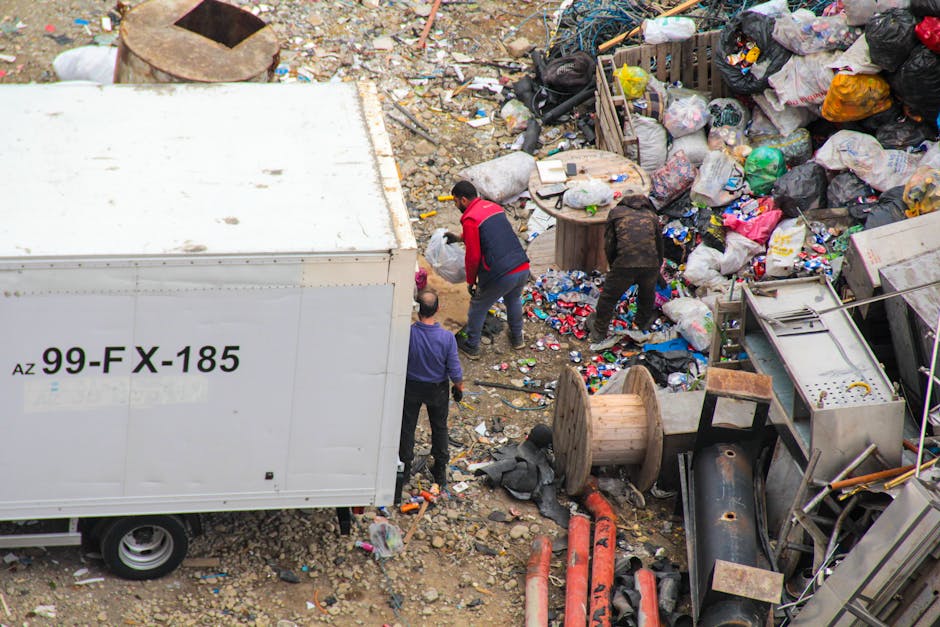
Why NW10 flat rubbish collection Willesden and Neasden Matters
Flat rubbish collection is a different job from a standard house clearance. In a flat, every step matters: access, parking, lifts, shared entrances, neighbours, loading times, and the simple question of how you get the waste out without making a mess. If you have ever carried a broken wardrobe down three flights while trying not to scrape the wall, you will know exactly what I mean. It is one of those tasks that sounds easy until you start.
NW10 covers busy residential pockets where space is often tight and schedules matter. In Willesden and Neasden, many properties have communal areas, timed entry points, or restricted parking. That means rubbish collection needs a bit more planning than a quick van-and-go pickup. Done properly, it keeps things civil with neighbours, protects the property, and saves you from repeated trips to the pavement with black bags in the rain. Not glamorous, but very useful.
There is also a wellbeing angle. A cluttered flat can quickly affect how you feel at home. Old boxes, damaged furniture, and waste from a move or refurbishment make a place feel smaller and more stressful. Clearing it out often gives people back a sense of control. You notice the room again. The light comes back in. It sounds minor, yet it changes the mood of a home quite a lot.
How NW10 flat rubbish collection Willesden and Neasden Works
At its simplest, the process is straightforward: you identify what needs removing, the collection is arranged, the team arrives, and the waste is loaded and taken away for sorting, reuse, recycling, or disposal. In practice, a good flat collection service is a little more careful than that.
Usually the work begins with an assessment of access and volume. That matters because a top-floor flat with no lift is not the same as a ground-floor conversion with a side entrance. A mixed load of bagged waste, old furniture, and building debris also needs different handling. The clearer the plan, the smoother the day goes. Truth be told, most problems come from underestimating how much is involved.
For local residents, the practical service often includes:
- single-item furniture removal
- bagged household rubbish collection
- full or partial flat clearances
- post-tenancy or end-of-lease waste removal
- clearance after decorating or light renovation
- sorting recyclables from general waste where possible
If you are comparing broader support options, it can help to look at the wider service overview and the more general rubbish removal in Brent page. Those pages sit well alongside a flat-specific job because they help you understand the wider scope of what can be handled.
The best operators also think about building etiquette. They keep noise down, avoid blocking communal routes, and work efficiently through shared stairwells. In a flat block, that matters more than people realise. A tidy job is not just about the rubbish leaving. It is about the building still feeling like a building afterwards.
Key Benefits and Practical Advantages
There are a few clear reasons people choose professional flat rubbish collection rather than trying to handle everything themselves. Some are obvious. Some are not.
- Less lifting and fewer injuries: heavy or awkward waste can be a real strain, especially on stairs.
- Better time management: one collection can replace several trips to the tip or repeated bin-room visits.
- Cleaner shared spaces: waste is removed promptly rather than sitting in hallways or by entrance doors.
- More flexibility: useful for move-out days, weekend clearances, and short-notice situations.
- Improved sorting: mixed waste can often be separated more efficiently than people expect.
- Peace of mind: you are less likely to make a mistake about what can be taken or how it should be handled.
One benefit people often overlook is the emotional lift. Clearing a flat can feel like removing a mental backlog. A spare mattress in the corridor, old boxes under the bed, broken chairs in the corner - those things nudge your brain every time you walk past them. Getting them gone frees up headspace too. Nice, simple, done.
If your clear-out is part of a broader life change, local reading such as Brent property buying and selling overview and local Brent experience and advice can help you think about moving, letting, or renovating with a bit more confidence.
Who This Is For and When It Makes Sense
Flat rubbish collection in Willesden and Neasden is useful for a wide mix of people. It is not only for major clearances. In fact, some of the best uses are smaller and more frequent.
This service makes sense if you are:
- moving out of a flat and need everything cleared quickly
- moving in and want old left-behind items removed
- dealing with landlord or tenant clearance after a tenancy ends
- clearing bulky items that will not fit in normal bin collections
- sorting out post-renovation waste from a kitchen, bathroom, or bedroom update
- helping an older relative reduce clutter in a smaller flat
- running an Airbnb, rental flat, or short-let property that needs regular resets
It is also useful if your building has strict rules about waste storage. Some blocks in NW10 simply do not give you much room to let rubbish build up. One day it is a couple of bags, next day it is a pile that looks far more dramatic than it actually is. Better to clear it before it becomes a problem.
For landlords and property managers, flat rubbish collection can sit alongside house clearance in Brent and waste clearance solutions when a property needs preparing for new occupants. That is especially handy between tenancies, when time is tight and standards matter.
Step-by-Step Guidance
If you want a smooth collection, preparation is everything. The actual removal may be quick, but the good results come from what you do before the van arrives.
- Sort the waste into broad groups. Keep general rubbish, furniture, electrical items, and renovation debris separate if you can. You do not need perfection, just enough structure to make loading easier.
- Measure large items. A sofa, wardrobe, or mattress may need to be carried through tight turns or down a narrow stairwell. Knowing the dimensions helps avoid surprise moments. And there are enough surprise moments in life already.
- Check building access. Note lift availability, entry codes, parking restrictions, and whether the collection needs to happen through a front or rear entrance.
- Clear the route. Move small items, doormats, and anything fragile away from the access path. A clear hallway makes the job safer and faster.
- Flag anything unusual. If something is very heavy, sharp, dusty, or awkwardly shaped, say so in advance. Better to mention it than have people guess on the day.
- Confirm timing. Flat collections in busy local streets work best when arrival and loading windows are realistic.
- Final sweep. Once the waste is out, do a quick check of cupboards, balcony corners, under-bed areas, and behind doors. People always forget one box. Always.
If you are booking a larger job, reviewing pricing and quotes beforehand can help set expectations. Not every flat job is priced the same way, because access, weight, and volume all matter. A small one-bedroom clear-out is a very different beast from a full top-floor flat with leftover building materials.
Expert Tips for Better Results
Here is the bit people tend to appreciate most: the small practical habits that make everything easier. These are not dramatic, but they save time and frustration.
- Photograph bulky items before collection. This helps you remember what is going and makes quoting easier if you are discussing the job in advance.
- Bag smaller loose waste. Loose rubbish takes longer to load and can scatter through communal areas.
- Keep recyclable items together where sensible. Cardboard, clean wood, and metal are often easier to manage when grouped.
- Use sturdy bags, not overfilled ones. Overpacked bags split at the worst possible time. Usually on stairs. Of course.
- Tell neighbours if access may be busy. A quick courtesy note can prevent awkwardness in shared buildings.
- Ask how the load will be handled. Responsible collection should include sorting and proper transfer, not just a fast disappearance act.
Another good habit is to think in zones. Deal with the kitchen, then the bedroom, then the hallway. That feels more manageable than trying to "clear the flat" in one go. Small wins matter. A half-cleared room can still feel like progress, and that matters when motivation is running low.
For readers interested in how local places and property patterns shape the way people live and clear space, the allure of Brent is a useful companion read. It gives a bit of context to why these neighbourhood jobs often need a local touch.

Common Mistakes to Avoid
Most flat rubbish headaches come from a handful of avoidable errors. Nothing exotic. Just ordinary oversights that turn a simple collection into a longer day than it needed to be.
- Leaving sorting until collection day. That slows everything down.
- Underestimating how much rubbish there is. A few "extra" bags can become a lot more than expected.
- Forgetting access details. No parking, no lift, or a locked communal entrance can delay the job.
- Assuming all items are treated the same. Fridges, mattresses, electrical items, and builders' waste may need different handling.
- Blocking corridors before the team arrives. This creates hassle for everyone in the building.
- Not checking what should stay behind. Sounds basic, but it happens. You do not want to bin passports, lease paperwork, or sentimental bits by mistake.
A slightly less obvious mistake is choosing a service only on speed. Fast is great, but if the job is done carelessly, you may end up with damage to walls, unhappy neighbours, or waste that has not been separated properly. Better to be a little picky up front than annoyed later. That said, nobody needs a lecture over it.
Tools, Resources and Recommendations
You do not need specialist equipment for every flat collection, but a few simple tools make life easier.
- Heavy-duty bin bags: useful for mixed household rubbish and lighter renovation waste.
- Marker pen and tape: label what stays, what goes, and what needs separate handling.
- Measuring tape: helps with bulky furniture and awkward hallways.
- Protective gloves: sensible for sorting, especially if items are dusty or sharp.
- Blanket or cardboard sheets: can protect floors, lifts, and corners during movement.
- Mobile phone photos: useful for planning and confirming the job scope.
If you want a broader sense of how a provider approaches safety, it is worth reading about insurance and safety before you book anything. That kind of information matters more than people realise, especially in flats where shared surfaces and stairwells are easy to mark or damage.
For environmentally minded readers, the site's recycling and sustainability page is worth a look too. It is a practical reminder that good rubbish collection is not just about removal; it is about handling waste responsibly once it leaves the property.
Law, Compliance, Standards, or Best Practice
When rubbish is taken from a flat, it should be handled in line with accepted UK waste-handling practice. You do not need to become an expert in regulations just to clear a bedroom, but it helps to know the basics.
First, waste should be removed by a provider that can handle it properly and dispose of it through lawful channels. That matters because fly-tipping is not just messy; it can create problems for the person who handed the waste over if they did not make reasonable checks. In plain English: it is worth asking how waste will be dealt with, not just whether it will disappear quickly.
Second, flats often involve shared access. Good practice means protecting communal areas, keeping exits clear, and avoiding nuisance to neighbours. If a collection requires lifting through a lift lobby or stairwell, care is part of the service, not an optional extra.
Third, special items deserve special handling. Electrical appliances, fridges, mattresses, and builders' waste can all be treated differently depending on the load. The safest approach is to flag these items early and make sure they are identified clearly. If you are unsure, ask. Simple enough, really.
For business customers or landlords, pages such as terms and conditions, privacy policy, and payment and security can also help build confidence before booking. They are not exciting reading, granted, but they do show how seriously a provider treats the practical side of the job.
Options, Methods, or Comparison Table
There are a few ways to deal with rubbish in a flat. The right choice depends on how much waste you have, how easily you can move it, and whether time or convenience matters more.
| Method | Best for | Pros | Limitations |
|---|---|---|---|
| Self-clearance | Very small loads and light waste | Low direct cost, simple for a few bags | Time-consuming, physically tiring, awkward for bulky items |
| Regular council-style bin use | Everyday household rubbish | Convenient for routine waste | Not suitable for large clearances or furniture |
| Professional flat rubbish collection | Mixed loads, bulky items, and busy move-outs | Fast, convenient, better for access challenges | Cost varies by volume, access, and waste type |
| Full property clearance | End-of-tenancy, hoarding, or complete clear-outs | Best for large or complex jobs | May be more than you need for a small rubbish removal task |
If your flat has a lot of mixed waste but still feels manageable, a targeted collection is often the sweet spot. If the place is packed from one end to the other, a more complete clearance may be a better fit. That decision is often obvious once you stand in the room for a minute and look around. You know when it is a "few bags" job and when it clearly is not.
Case Study or Real-World Example
A fairly typical NW10 situation goes like this. A tenant in a Willesden flat is due to move out on Friday morning. The flat has a broken chest of drawers, several black bags of general waste, a mattress, flat-pack packaging, and a microwave that no longer works. There is no lift, the staircase is narrow, and parking is limited outside until mid-afternoon.
Rather than trying to deal with it in bits, the tenant sorts items by type on Thursday evening, labels what is staying, and clears the hallway so access is straightforward. The collection is booked for a sensible window, and the bulky items are brought down carefully first. The bags follow. The load is done in one visit, and the flat is left clear enough for final cleaning.
What made it work? Not luck. Just preparation. The collection itself was only part of the story. The real difference came from having access details ready, identifying bulky items early, and not leaving the clear-out until the last possible hour. Which, to be fair, is the classic move when people are busy.
That same approach works for landlords too, especially if a property needs turning around quickly between occupancies. It is less about dramatic overhauls and more about tidy execution, one room at a time.
Practical Checklist
Use this before your collection day. It keeps things calm, and calm is underrated.
- List all items that need removing
- Separate bulky items from loose rubbish
- Check whether anything should be kept aside
- Measure large furniture or awkward items
- Confirm lift access, entry codes, and parking notes
- Clear the hallway and protect any fragile corners
- Bag loose waste securely
- Tell neighbours if access may be briefly disrupted
- Keep valuables, documents, and essentials in a separate place
- Do a final sweep of cupboards, wardrobes, and balcony storage
Key takeaway: the best NW10 flat rubbish collection jobs are not just fast; they are organised. A small bit of planning at the start usually saves a lot of stress later. That is true whether you are clearing a studio in Neasden or a larger flat in Willesden.
Conclusion
NW10 flat rubbish collection in Willesden and Neasden is really about making everyday property problems easier to handle. Flats come with access challenges, shared spaces, and time pressure, so a good collection service needs to be practical, careful, and properly planned. Whether you are clearing after a move, dealing with bulky items, or trying to get a cluttered flat back under control, the right approach saves time and reduces stress.
If you remember only one thing, let it be this: a smoother collection starts long before the van arrives. Sort early, measure what matters, and think about access. The rest tends to fall into place.
Get a free quote today and see how much you can save.
And if the job feels a bit bigger than you expected, that is perfectly normal. Most flat clear-outs do. The good news is, once the clutter starts moving out, the flat feels different almost immediately - lighter, calmer, more like home again.



 Tipper Van - Rubbish Removal and Basement Clearance Prices in Brent, NW1
 Luton Van - Rubbish Removal and Basement Clearance Prices in Brent, NW1