






Kilburn High Road bulky waste removal for shops
Posted on 09/08/2026
Kilburn High Road Bulky Waste Removal for Shops: A Practical Guide for Busy Retailers
If you run a shop on Kilburn High Road, bulky waste can become a real nuisance surprisingly fast. Old shelving, broken display units, cardboard overfill, worn stockroom furniture, packaging pallets, and end-of-line stock all seem harmless at first, then suddenly the back room is jammed and staff are tripping over bits of clutter. Kilburn High Road bulky waste removal for shops is the straightforward way to keep your premises clear, presentable, and safe without turning an ordinary trading day into a logistical headache.
This guide explains how retail bulky waste collection works, what to expect, when to book it, and how to avoid the common mistakes that cost time and money. It also looks at the practical side of shop clearances in a busy London high street setting, where access, timing, and disruption matter just as much as the waste itself. Let's make it simple.
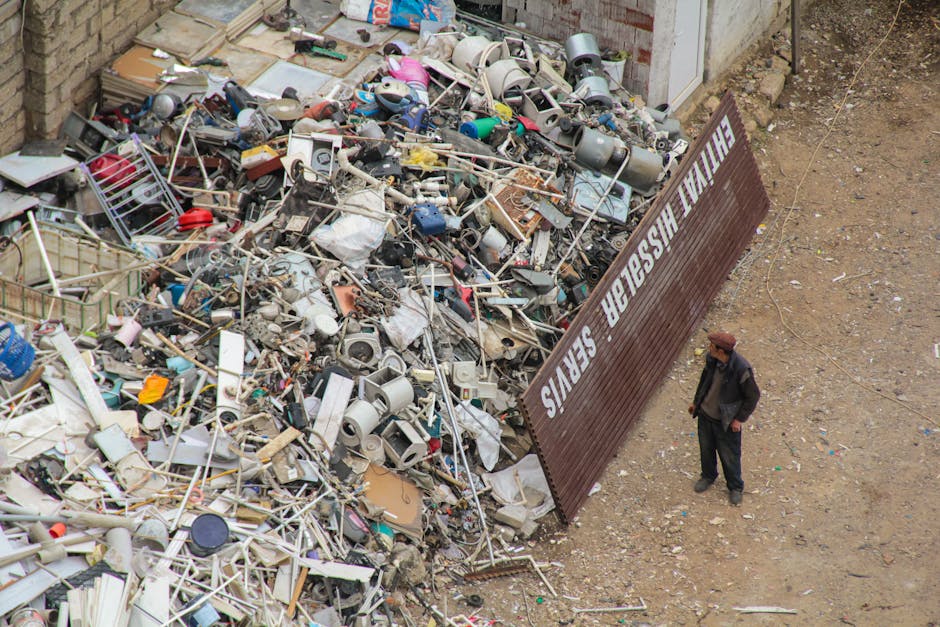
Why Kilburn High Road bulky waste removal for shops Matters
Retail space is expensive, and every square metre should be working for you. When bulky waste starts collecting in a shop, stockroom, or rear yard, it does more than look untidy. It blocks movement, slows staff down, and can create problems with fire safety, manual handling, pest prevention, and customer impression. On a busy road like Kilburn High Road, the public-facing side of your business matters too. A clean shopfront says "we're organised"; a pile of broken fixtures outside says something very different.
There is also the practical reality of running a business in London traffic. If waste has to be moved in stages, or if items are too large for regular bins, they can linger. One forgotten wardrobe rail or shattered display cabinet has a habit of staying longer than anyone planned. That's usually when things start to feel messy, rushed, and a bit draining.
For shops, bulky waste removal is not just about disposal. It is part of maintaining trading standards, keeping staff working efficiently, and protecting the customer experience. That applies whether you are clearing a single damaged unit or doing a larger refit. In our experience, small retail jobs often become the most disruptive simply because they are squeezed between opening hours, deliveries, and customers coming in and out all day.
For business owners who want a wider view of local service options, the services overview is a useful starting point, and if you are comparing different clearance needs across a premises, waste clearance in Brent gives a broader picture of what can be handled in one visit.
Expert summary: For shop owners, bulky waste removal is really about three things: keeping the premises safe, avoiding disruption to trading, and clearing space quickly enough that stock and staff can work properly again.
How Kilburn High Road bulky waste removal for shops Works
Most bulky waste removals for shops follow a fairly simple process, but the details matter. The better you plan the collection, the smoother it goes. That's especially true on a road as active as Kilburn High Road, where loading access, footfall, and timing can all affect the job.
1. Identify the items that need to go
Start by separating bulky waste from general rubbish. Typical retail bulky items include shelving, counters, broken mannequins, damaged signage, old display units, storage cabinets, palletised packaging, non-functional small furniture, and non-electrical fixtures. If you are clearing out a back room, you may also find mixed waste from old promotional stock or packaging. It helps to sort the obvious keep, recycle, and remove piles before anyone arrives.
2. Book a collection that fits your opening hours
Shops usually need flexible timing. Early morning, after closing, or during quieter trading periods tends to work best. If the waste is behind a counter or upstairs, you may need a team that can carry items carefully through the premises without interrupting customers. Some removals can be done quickly; others need a little more choreography. Slightly annoying, but true.
3. Share access details in advance
With retail premises, access information is gold. Tell the crew about rear entrances, shared yards, narrow stairwells, basement stockrooms, parking restrictions, or loading bay limitations. If there is no easy lift access, that should be mentioned early. A ten-minute heads-up can save thirty minutes on the day.
4. Items are assessed and loaded safely
Professional removal is not just about speed. Good practice means lifting safely, protecting walls and floors where needed, and loading the right vehicle for the volume and weight involved. For mixed shop clearances, items are usually grouped so recyclable material can be separated from residual waste where possible. If you care about sustainability, that part matters a lot.
5. Disposal and recycling follow appropriate routes
After collection, the waste should be taken to the correct destination for reuse, recycling, or disposal. Retailers often ask whether old fixtures can be recycled, and the answer is often "some parts, yes". Metal shelving, cardboard, untreated wood, and certain plastic components may be recyclable depending on condition and contamination. Good operators explain what is likely to be recovered rather than promising magic.
If you want to understand how recycling and responsible handling fit into the wider picture, take a look at recycling and sustainability. For retailers replacing fixtures during a fit-out, builders waste disposal in Brent can also be relevant when packaging, plasterboard offcuts, or refurbishment debris are part of the same job.
Key Benefits and Practical Advantages
There are good reasons shops choose a dedicated bulky waste service instead of trying to deal with everything themselves. Some are obvious, some are a bit more subtle, but they all add up.
- Faster turnaround: Bulky waste is removed in one planned visit instead of being left to accumulate over several days.
- Better shop presentation: A clean stockroom and tidy frontage create a better impression for customers and suppliers.
- Less staff distraction: Your team can focus on sales, stock, and service instead of wrestling with awkward furniture.
- Safer working conditions: Clear walkways and storage zones reduce trip hazards and awkward lifting.
- More efficient use of space: Retail back-of-house areas are often smaller than people think, so clearing one bulky item can make a real difference.
- Flexible support for refits or closures: Helpful whether you are replacing fixtures, downsizing, or preparing for a change of layout.
- Improved waste handling: Reusable or recyclable items can be separated from general waste more effectively.
There is a quieter benefit too: peace of mind. When the clutter is gone, the shop feels calmer. Staff notice it. Customers do too. That matters on a street where people can see straight into your premises as they walk by.
| Benefit | What it means in practice | Why it matters for shops |
|---|---|---|
| Speed | One organised collection instead of a drawn-out clear-up | Less interruption to trading |
| Safety | Heavy items are moved with proper lifting and loading | Reduces risk in tight retail spaces |
| Presentation | Clean floors, uncluttered storage, tidy frontage | Supports customer trust |
| Space recovery | Back rooms become usable again | Improves stock handling and staff movement |
| Responsibility | Items are sorted and routed appropriately | Better environmental outcomes |
Who This Is For and When It Makes Sense
This service is for more than just large chain stores. In fact, many of the most common jobs on a high street are for small and medium-sized businesses that simply do not have room to absorb bulky waste for long.
You may need Kilburn High Road bulky waste removal for shops if you are:
- upgrading shelving, counters, or point-of-sale fixtures
- clearing out old storage furniture from the stockroom
- closing a branch or moving to a smaller unit
- refreshing the layout after a rebrand
- replacing damaged display materials
- disposing of packaging from a large delivery or seasonal stock change
- merging two retail units and dealing with the leftovers
It also makes sense when the waste is awkward. A single heavy cabinet may not sound like much, until you realise it needs two people, a trolley, a safe route through the shop floor, and somewhere to go afterwards. A collection service becomes less of a luxury and more of a sensible business tool.
Retailers in nearby parts of Brent often pair shop clearances with other local work. For example, property changes in the area can trigger clean-outs, and businesses looking to understand the local market sometimes read Brent property buying and selling overview or broader local insights like Brent local experience and advice. Not because they are about rubbish, obviously, but because business decisions tend to live inside the wider local picture.
Step-by-Step Guidance
If you want the process to run smoothly, the best approach is surprisingly simple. A little preparation saves a lot of back-and-forth.
- Walk the premises first. Note every bulky item, where it sits, and how it will get out. Don't forget basements, rear yards, mezzanines, and tucked-away stock areas.
- Separate reusable items. If anything can be donated, resold, or kept for a future branch, move it out of the removal pile early.
- Measure access points. Doors, stairwells, lifts, corridors, and yard gates can all affect the job.
- Choose a sensible collection time. Early or late often works best for retail. Midday collections can be possible, but they need more care.
- Give clear instructions. Tell the crew what must stay, what can be moved, and whether any areas are customer-facing.
- Prepare payment and paperwork. Keep invoices, duty-of-care details, and any internal approvals in order.
- Do a final sweep after removal. Check that nothing useful has been taken by mistake and that the space is ready to use.
That final sweep is often the step people skip. Then later they realise the spare shelf brackets or the box of receipts vanished with the old display stand. Not ideal. A ten-second check can save a headache.
Expert Tips for Better Results
A few practical habits make a big difference. These are the kinds of things that only really become obvious after you've seen a few shop clearances go right, and a few go a bit sideways.
Keep heavy items near the exit where possible
If it is safe to move them beforehand, placing bulky items closer to the front or rear access point can reduce labour time. Just don't block staff movement or fire exits in the process. Common sense, but worth saying.
Label mixed items before collection day
When a shop is clearing multiple categories of waste, labels help avoid mistakes. A simple note like "keep", "recycle", or "remove" can stop confusion when the room is busy.
Plan around deliveries and customer flow
If your busiest trade is in the morning, book for late afternoon. If stock deliveries arrive early, don't schedule removal at the same time unless there is no alternative. The best jobs feel almost invisible to customers.
Ask how materials will be separated
Retail waste can be a mixture of recyclable and non-recyclable material. Asking about sorting upfront helps you understand what should happen to old fittings, timber, plastics, and packaging.
Be realistic about time
One shop might take half an hour. Another may take most of a day. Volume is only part of the story. Access, loading, stairs, and item type all change the job. To be fair, that is often the part people underestimate.
Use clearance as a reset, not just a disposal event
A good bulky waste collection is a chance to reorganise. If you are already shifting old display units, it may be the right moment to improve stockroom layout, create a safer route to the back door, or clear a dead corner that has been collecting "temporary" items for months.

Common Mistakes to Avoid
Most problems with shop bulky waste come from rushing, not from the waste itself. Here are the mistakes worth avoiding.
- Leaving the sort-out until collection day: This makes the job slower and increases the chance of accidental removal.
- Assuming everything can go in the same pile: Mixed waste is common, but some materials need separate handling.
- Forgetting access constraints: A good estimate depends on whether the crew can actually get to the items easily.
- Choosing the wrong time of day: Busy retail hours and bulky waste removal do not always mix well.
- Ignoring heavy or awkward items: Large cabinets, glass display units, and metal frames may need more care than expected.
- Not checking what stays behind: Small loose parts can be left in drawers, under counters, or behind displays.
There's also the classic mistake of treating bulky waste like a simple bin job. It isn't. A bent metal rack can snag walls, a cracked display panel can split, and a damp cardboard bundle can make a right mess of a clean floor. Better to plan properly than apologise later.
Tools, Resources and Recommendations
You do not need a warehouse full of equipment to prepare for a shop clearance, but a few basic tools help a lot.
- Hand trolleys or dollies: Useful for moving smaller bulky pieces safely before collection.
- Heavy-duty gloves: Good for sorting sharp edges, splinters, or broken fittings.
- Label tape or stickers: Simple but effective for separating items to keep, recycle, or remove.
- Measuring tape: Handy for checking access routes and item dimensions.
- Protective floor coverings: Useful in shops with delicate flooring or polished surfaces.
- Storage bags or tubs: Good for screws, brackets, fixings, and small parts that should not disappear with the waste.
For retailers dealing with stockroom overflows, it may also help to think wider than a one-off job. A combined clearance can be more efficient if you are also dealing with office furniture, archive clutter, or refurb debris. In some cases, a fuller premises clear-out is more sensible, and office clearance in Brent can be relevant where retail and admin spaces overlap.
If you are comparing overall waste support, rubbish removal in Brent is helpful for broader waste types, while pricing and quotes can help you understand what to ask before booking. Straightforward, no fuss.
Law, Compliance, Standards, or Best Practice
Shop owners do not need to become waste-law experts, but they do need to handle bulky waste responsibly. In the UK, businesses have a duty to make sure their waste is passed to an authorised and competent collector, and that records are kept where appropriate. The practical point is simple: do not hand over retail waste to anyone unless you are confident it will be handled properly.
Best practice usually includes:
- keeping a clear record of what was removed
- sorting reusable and recyclable materials where practical
- avoiding blocked exits and unsafe stacking before collection
- making sure hazardous or specialist materials are identified separately
- using a provider that can explain where the waste is likely to go
If items include electrical goods, fridges, fluorescent tubes, or other specialist materials, those may need separate handling. The same goes for anything contaminated or potentially hazardous. When in doubt, ask before collection day rather than assuming it is fine. That small conversation can prevent a much bigger problem.
Trust also matters in the wider sense. Businesses should look for clear communication around how collections are managed, what happens to waste, and how safety is handled on site. You can read more about that approach through insurance and safety and the company's about us information if you want a sense of standards and working style.
Options, Methods, or Comparison Table
There are a few ways a shop can deal with bulky waste. The right choice depends on volume, urgency, access, and how much staff time you can spare.
| Method | Best for | Pros | Trade-offs |
|---|---|---|---|
| Store staff disposal | Very small items or minor clear-outs | Low direct cost, simple for one-off bits | Uses staff time, can be unsafe, limited by transport |
| Skip hire | Longer refurb jobs with steady waste flow | Useful for ongoing disposal, good for mixed loads | Needs space, permits may be an issue, loading is manual |
| Bulky waste collection | Heavy or awkward retail items | Fast, convenient, less disruption to trade | Best when access and timing are planned well |
| Full shop clearance | Closures, relocations, major refits | Comprehensive, tidy, efficient on larger jobs | Requires more coordination and clear scope |
For many Kilburn High Road shops, a bulky waste collection is the sweet spot. It avoids the hassle of managing a skip on a busy street, and it reduces the burden on staff. That said, if you are ripping out an entire fitting system, it can make sense to combine methods. No single option suits every job, and anyone pretending otherwise is probably selling something.
Case Study or Real-World Example
Picture a small fashion shop on Kilburn High Road getting ready for a seasonal refresh. The manager has three broken rails, two wooden display tables, a damaged mirror, several old signage panels, and a back-room pile of packaging from new stock deliveries. None of it is massive on its own, but all together it has swallowed half the storage room.
The first instinct is to "deal with it later". Later, of course, turns into next week, then next month. Meanwhile staff are squeezing between boxes, customers can see clutter in the rear of the shop, and the manager keeps moving the same chair from one corner to another. A familiar story, honestly.
Once the bulky waste is removed, the effect is immediate. The stockroom opens up, the new rails can be installed properly, and the floor is safer to move across. The staff stop walking around clutter, and the shop feels more intentional. That kind of reset can be especially valuable before a seasonal trading period, when everything needs to look sharp and move fast.
We have seen similar jobs where a retail clearance was linked with another local change, such as a move, refurbishment, or wider business reorganisation. If your premises are part of a larger transition, it can help to look at related guidance such as house clearance in Brent for mixed-clearance thinking, or local context through the allure of Brent if you want to understand the area's wider commercial rhythm. Different context, same principle: clear the clutter, make space for the next stage.
Practical Checklist
Use this checklist before booking or on the morning of the removal.
- Identify every bulky item that needs to go
- Separate keep, recycle, and remove piles
- Check access routes, stairs, doors, and loading space
- Confirm timing around customers and deliveries
- Remove loose valuables, paperwork, and small parts
- Label anything that must stay in the shop
- Warn staff about safe lifting and temporary obstructions
- Make sure bins, exits, and fire routes remain clear
- Ask how mixed materials will be handled
- Do a final sweep after the load is removed
It's a simple list, but it saves a lot of fuss. And to be fair, a shop that plans ahead almost always has an easier day.
Conclusion
Kilburn High Road bulky waste removal for shops is about more than getting rid of old items. It helps you recover space, improve safety, keep your shop looking professional, and avoid the slow creep of clutter that makes day-to-day trading harder than it needs to be. Whether you are clearing out a back room, replacing old fixtures, or preparing for a refit, the smartest approach is the one that fits your timing, access, and trading pattern.
A little planning goes a long way. Sort the waste, check the route, choose a realistic collection window, and make sure the disposal route is responsible. That combination usually gives the best outcome with the least disruption. Nice and simple, really.
Get a free quote today and see how much you can save.
When the space is clear, the shop feels lighter. And sometimes that is exactly what a busy high street business needs.


 Tipper Van - Rubbish Removal and Basement Clearance Prices in Brent, NW1
 Luton Van - Rubbish Removal and Basement Clearance Prices in Brent, NW1