






Harlesden estate rubbish clearance guide for tenants
Posted on 27/08/2026
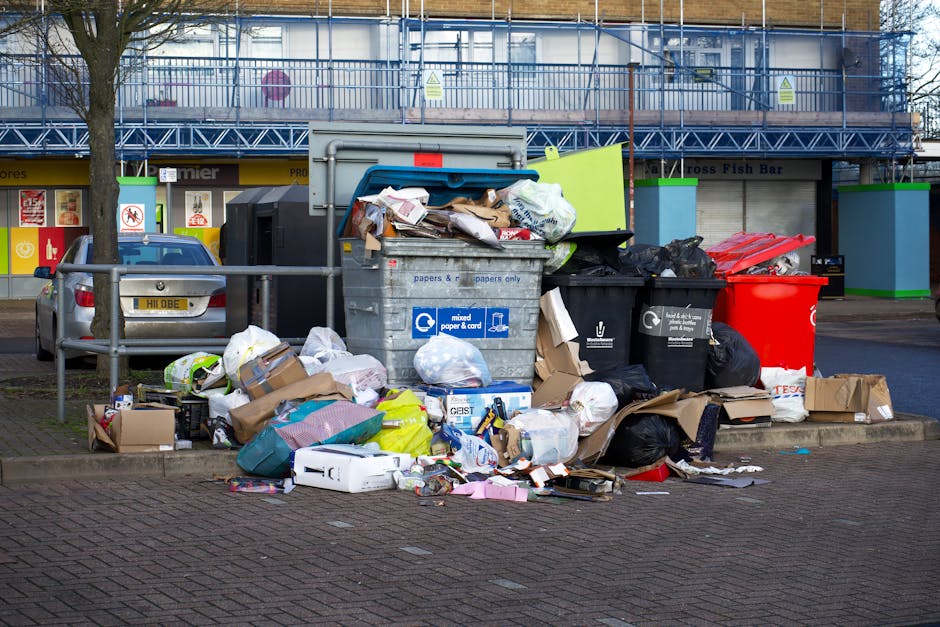
Harlesden Estate Rubbish Clearance Guide for Tenants
If you live in a Harlesden estate flat or maisonette, rubbish can pile up faster than you expect. One awkward corner of a hallway, one broken wardrobe, one bag that "can wait until tomorrow" and suddenly the place feels cramped, untidy, and a bit stressful. This Harlesden estate rubbish clearance guide for tenants is here to make that easier. It explains how estate clearances usually work, what tenants should do before booking anything, which mistakes cause trouble, and how to keep things tidy without making life harder for yourself or your neighbours.
Whether you are moving out, clearing a balcony, dealing with bulky items after a delivery, or just trying to stay on the right side of building rules, you will find practical steps here. And yes, we will keep it plain-English. No fuss.
Why Harlesden estate rubbish clearance guide for tenants Matters
Estate living comes with shared spaces, shared rules, and shared frustrations. When waste is left in the wrong place, it affects everyone. A bag leaning against a bin store wall might look harmless for a few hours, but by the evening it can become a mess, a pest attraction, or an argument waiting to happen. On a busy estate, that sort of thing spreads quickly.
For tenants, rubbish clearance matters for three main reasons. First, it protects your deposit and your tenancy record. Second, it avoids complaints from neighbours, managing agents, or the landlord. Third, it keeps common areas usable and safe. That last one sounds obvious, but in practice it is often the part people forget.
Harlesden has the usual London mix of busy streets, tight access, and limited storage space. That means tenant clearances are rarely as simple as dragging a few sacks to the kerb. Flats are often on upper floors, stairwells are narrow, and estate rules can be strict about what can be left out, when, and where. A bit of planning saves a lot of hassle.
Practical takeaway: if you are dealing with bulky waste, estate rubbish, or end-of-tenancy clutter, the best approach is usually the one that is orderly, well-timed, and respectful of shared spaces. Simple, but that is the game.
For readers who want to understand the wider service landscape first, the services overview is a useful starting point, and the company's recycling and sustainability approach shows how materials are handled with disposal in mind, not just removal.
How Harlesden estate rubbish clearance guide for tenants Works
In real life, estate rubbish clearance usually falls into one of three routes: you take it yourself to a permitted disposal point, the estate or local authority handles some of it through standard collections, or you arrange a private rubbish removal service for anything bulky, awkward, or time-sensitive.
For tenants, the process normally starts with identifying what you need to clear. Is it a few bags of mixed household waste? Furniture from a flat move? Old carpet underlay? Builders' debris after a DIY job? The answer changes the best method. Mixed bag waste is very different from a washing machine or a mattress, and estates often treat them differently too.
Then there is access. That matters more than people think. Can a vehicle get near the block? Is there a lift? Will the items need to be carried down several flights? Is there a concierge, a gated entrance, or a time window for estate traffic? These details affect how clearance is arranged and, honestly, how much of a headache it becomes.
If you are using a professional team, they will usually ask for:
- the type of waste or items to be removed
- rough volume, weight, or number of bags
- access details for the block or estate
- whether the items are upstairs, in a garden, or in a storage area
- any restrictions on timing, parking, or lifting
That information helps the crew plan the right vehicle, equipment, and labour. It also reduces delays on the day, which is good for everyone. Nobody wants a half-finished clearance because a lift is out of action or a parking bay is blocked.
If your waste is tied to a larger property move or clear-out, the related guide on Brent property buying and selling overview can be useful background, especially if you are juggling deadlines around an estate flat handover.
Key Benefits and Practical Advantages
Done well, estate rubbish clearance is one of those jobs that makes the whole flat feel different. Less clutter. Less smell. Less stress when you walk in with shopping bags and do not have to side-step a tower of cardboard. It sounds minor, but the relief is real.
- Cleaner shared spaces: estate hallways, bin stores, stairwells, and walkways stay more usable.
- Better neighbour relations: no one enjoys seeing overflow waste sitting out for days.
- Lower risk of tenancy issues: tidiness helps avoid avoidable complaints or breach notices.
- Time saved: one organised clearance is usually easier than several small, frustrating trips.
- Safer handling: bulky items are less likely to damage walls, lifts, or your back.
- Improved recycling outcomes: separating reusable or recyclable items can reduce unnecessary disposal.
There is also a very practical benefit during move-out periods. Estate flats often accumulate cardboard, old clothes, broken shelves, packaging foam, and furniture bits at exactly the wrong time. Clearing it early gives you space to clean, pack, or photograph the property properly. If you have ever tried to deep-clean a kitchen with three bin bags in the way, you will know what I mean.
For people comparing service types, the difference between rubbish removal, waste clearance, and a broader house clearance service is worth understanding before you book anything. The right choice depends on volume, item type, and how quickly you need the space cleared.
Who This Is For and When It Makes Sense
This guide is mainly for tenants in Harlesden estates, but the situations vary quite a bit. Maybe you have just moved in and need to clear the previous tenant's leftover clutter. Maybe you are leaving and want the flat empty before the inventory check. Or maybe you live there long-term and just cannot keep squeezing old furniture into one corner anymore. Truth be told, everyone has a "we'll deal with that later" pile. Some piles just get more ambitious.
This is especially relevant if you are:
- ending a tenancy and want to avoid end-of-tenancy deductions
- clearing bulky waste from a flat with limited lift access
- dealing with old mattresses, wardrobes, or broken white goods
- tidying up after a home project or flat refresh
- sharing an estate with strict bin store or fly-tipping rules
- coordinating disposal with a landlord, letting agent, or managing agent
It also makes sense when a standard bin collection is simply not enough. A sofa is not "just another bag", and an old fridge certainly is not. Bulky waste needs a separate plan, especially in a place where access is tight and everyone is trying to use the same entrances, paths, and lifts.
If you are a tenant who likes to plan ahead, the local posts on Brent local experience and advice and the allure of Brent offer broader area context that helps when you are deciding how to manage property tasks in the borough.
Step-by-Step Guidance
Here is the simplest way to approach estate rubbish clearance without making it more complicated than it needs to be.
- Sort everything by type. Separate general waste, cardboard, reusable items, furniture, electricals, and anything that may need special handling.
- Check estate rules. Look for bin store instructions, collection days, parking limits, or restrictions on leaving items in communal areas.
- Measure bulky items. If it is a sofa, wardrobe, bed frame, or appliance, rough dimensions help avoid surprises.
- Decide what can be reused. Sometimes a chair, table, or shelf unit is still serviceable. If it is, pass it on rather than scrapping it.
- Bag and label smaller waste. This keeps mixed rubbish from spilling in hallways or lifts. It is a small thing, but it matters.
- Book the right method. Use your own vehicle, estate disposal arrangements, or a private collection depending on volume and access.
- Prepare access. Unlock gates, reserve parking if needed, and let neighbours know if the route will be temporarily busier.
- Keep shared spaces clear. Never block fire exits, stairwells, or bin rooms. Common sense, but worth saying out loud.
- Take photos if needed. Before-and-after photos can help prove the property was left tidy, especially at check-out.
A good rule of thumb: if an item would be awkward for you to carry safely, it is probably awkward for a neighbour, too. Ask for help or use a service that handles lifting properly. Your back will thank you. So will the wall paint.
For related service planning, builders waste disposal in Brent is relevant if your clutter comes from DIY work, while garden waste removal may be the right fit if you are clearing a balcony, courtyard corner, or overgrown outdoor space on the estate.
Expert Tips for Better Results
Most clearance problems are not caused by the rubbish itself. They happen because people leave decisions too late. A few sensible habits make the whole thing smoother.
- Start with the bulky items. Big pieces decide the logistics. Once the sofa or wardrobe is sorted, the rest is easier.
- Do not mix sharp or hazardous items into general bags. Broken glass, blades, paint tins, and chemicals need extra caution.
- Flatten cardboard properly. It saves space and reduces mess in shared bin areas.
- Plan around estate quiet times. Early mornings and late evenings can be poor choices in blocks with thin walls.
- Keep pathways open. This avoids awkward moments with neighbours, and yes, the occasional grumble from a resident who is just trying to get to work.
- Ask about recycling first. Many loads contain more reusable material than people realise.
A small but useful habit is to make one "clearance pile" and one "keep pile" before you do anything else. That sounds painfully simple, but it stops the process turning into a chaotic shuffle from room to room. I have seen people carry the same lamp past the same doorway three times. No one needs that.
If you want to understand the business side of choosing a provider, the pages on pricing and quotes and payment and security are sensible reading before you confirm a booking.

Common Mistakes to Avoid
Estate clearance goes wrong most often in predictable ways. The good news is that almost all of them are avoidable.
- Leaving waste in communal areas. This can block access and create complaints quickly.
- Assuming all rubbish can go in one collection. It often cannot, especially with electricals or bulky furniture.
- Forgetting access details. If the crew cannot get near the block, everything slows down.
- Overfilling bags. Overstuffed sacks tear easily and make lifting unsafe.
- Ignoring tenancy terms. Some agreements are stricter than people expect about disposal and cleanliness.
- Waiting until moving day. That is when stress peaks, and the job becomes messier than it needs to be.
One common mistake deserves a special mention: putting everything out "just for a minute" in the hope it will be collected or taken away by someone else. Sometimes that never happens. Then you are left with a mess, a complaint, and a bit of a bad taste in your mouth. Better to finish the job properly.
Tools, Resources and Recommendations
You do not need a truckload of equipment to clear estate rubbish, but a few basics help.
- Heavy-duty bags: for mixed household waste and soft items.
- Gloves: for safer handling, especially with sharp edges or dusty items.
- Tape and labels: to bundle loose pieces and mark what is reusable or fragile.
- Measuring tape: useful for bulky furniture and tight stairwells.
- Trolley or sack barrow: if you are moving items internally over a short distance.
- Phone camera: to record what is being removed and what remains.
On the service side, the most useful resources are the pages that explain the provider's approach and service range. Start with about us if you want a sense of the company background, and use insurance and safety to understand how risk is handled on live jobs. That bit is often overlooked until someone bumps a wall or needs to move an awkward item down the stairs. Then it suddenly matters a lot.
For readers who are comparing services, the following can be helpful in a practical sense:
- waste clearance for mixed domestic loads
- house clearance for fuller flat or property clear-outs
- office clearance if your tenancy includes a work space or home office setup
- rubbish removal for straightforward collection of general unwanted items
Law, Compliance, Standards, or Best Practice
Tenants do not need to be waste-law experts, but they do need to act responsibly. In the UK, rubbish should be disposed of in a lawful and traceable way. That means using proper collection systems, not dumping items on estate land, in alleyways, or near bins that are already full. Fly-tipping is not a clever shortcut. It is just trouble with a faster timetable.
For estate living, best practice usually means:
- keeping communal areas free from obstruction
- separating reusable, recyclable, and general waste where practical
- handling electrical items carefully
- avoiding unsafe lifting and carrying
- respecting tenancy terms and estate rules
If you are moving waste on behalf of others, or dealing with a larger clear-out, it is sensible to choose a provider that can explain its process clearly and responsibly. Transparency matters. So does a sensible paper trail, even if the job itself is small.
It is also worth noting that privacy and site handling matters are part of a trustworthy service relationship. If you want to understand how the business handles data and website use, the pages on privacy policy and cookie policy are there for a reason. Not glamorous reading, perhaps, but useful all the same.
Options, Methods, or Comparison Table
Here is a straightforward comparison of the main routes tenants tend to use for estate rubbish clearance.
| Method | Best for | Pros | Watch-outs |
|---|---|---|---|
| Self-clearance | Small volumes, bags, a few items | Low cost, flexible timing | Requires transport, lifting, and time |
| Estate or council-style disposal | Standard household waste and scheduled collections | Simple for routine rubbish | Not suitable for bulky or urgent items |
| Private rubbish removal | Bulky furniture, mixed loads, tight deadlines | Fast, convenient, less physical effort | Needs clear access and accurate load description |
| Full clearance service | Move-outs, end-of-tenancy clearances, larger flat clear-outs | Most comprehensive option | Can be more than you need for a small load |
The best option depends on the job, not the habit. A single chair and some packing waste do not need the same treatment as a full one-bed flat clear-out. Keep it proportional and you will avoid overpaying or under-planning.
Case Study or Real-World Example
Here is a realistic example from an estate-style tenancy situation.
A tenant in a Harlesden block was leaving a one-bedroom flat after three years. Over time, the spare room had become the place where half-finished projects went to hide: a broken bedside table, two cardboard boxes of old books, a damaged desk chair, a mattress topper, and a bag of mixed packaging from a recent online furniture delivery. Nothing dramatic. Just enough clutter to make the flat feel tired and smaller than it was.
Instead of waiting for moving day, the tenant split the clear-out into two parts. First came the small items and cardboard, sorted and bagged. Then the larger furniture was arranged for removal separately, with access details checked in advance because the estate entrance was tight and the lift was small. That extra bit of planning meant the collection was quicker, the stairwell stayed clear, and the final clean-up was far less stressful.
The nice part? By the time the inventory check came around, the flat looked calm rather than chaotic. No clutter in the corner. No last-minute scramble. Just the sort of finish that lets you breathe out a little.
If your situation is similar, especially with bulky items from a bedroom, living room, or storage cupboard, it is worth considering a service that can handle loading and disposal in one visit. For reference, the article on NW10 flat rubbish collection is a relevant local example of how compact London properties often need practical, low-fuss collections.
Practical Checklist
Use this simple checklist before you book or move anything.
- Have I sorted waste into clear categories?
- Do I know which items are bulky, reusable, recyclable, or hazardous?
- Have I checked my tenancy agreement or estate rules?
- Do I know the access route, parking situation, and lift status?
- Have I measured large items that need carrying out?
- Are hallways, stairs, and exits free from obstruction?
- Have I kept photos of the property before clearance, if needed?
- Am I using the right type of service for the load?
- Have I planned enough time so this is not a last-minute rush?
- Do I know what will happen to recyclable and reusable items?
If you can tick most of those off, you are in good shape. If not, pause for ten minutes and reset the plan. That tiny bit of breathing room can save a whole afternoon.
Get a free quote today and see how much you can save.
Conclusion
Estate rubbish clearance in Harlesden does not need to be complicated, but it does need to be thoughtful. The best results come from sorting early, respecting shared spaces, and choosing a disposal method that fits the job. For tenants, that usually means avoiding last-minute panic and treating the clearance like part of the tenancy, not a messy afterthought.
Whether you are moving out, making space, or simply trying to bring order back to a busy flat, a clear plan makes everything feel lighter. One bag at a time. One room at a time. It really does add up.
And when the hallway is clear, the bins are sensible, and the flat feels like a place you can actually relax in again, well, that is a good feeling. Simple as that.



 Tipper Van - Rubbish Removal and Basement Clearance Prices in Brent, NW1
 Luton Van - Rubbish Removal and Basement Clearance Prices in Brent, NW1